Goal Planner Guide: Maximize Your Productivity

Setting goals without a structured system guarantees failure. A dedicated goal planner bridges the gap between vague ambitions and daily execution. By combining long-term vision mapping with micro-task tracking, these tools force accountability. Our testing reveals that the most effective planners integrate strict methodologies, demanding users define their "why," establish actionable steps, and lock in immediate rewards. If your current workflow feels disorganized, transitioning to a specialized tracking framework will fundamentally change your daily output and ensure consistent, measurable growth.
Key Takeaways
-
Implement a SMART goals framework to eliminate ambiguity and force realistic deadlines.
-
Divide annual objectives into quarterly, weekly, and daily actionable micro-tasks.
-
Integrate mandatory monthly reflections to audit what works and what requires immediate pivoting.
-
Maintain psychological momentum by tracking incremental percentage milestones up to 100%.
Anatomy of a High-Performance Goal Planner
A highly effective goal planner acts as a comprehensive operating system for your life and career. It moves beyond standard scheduling by requiring specific inputs and rigorous self-reflection.
The SMART Framework Core
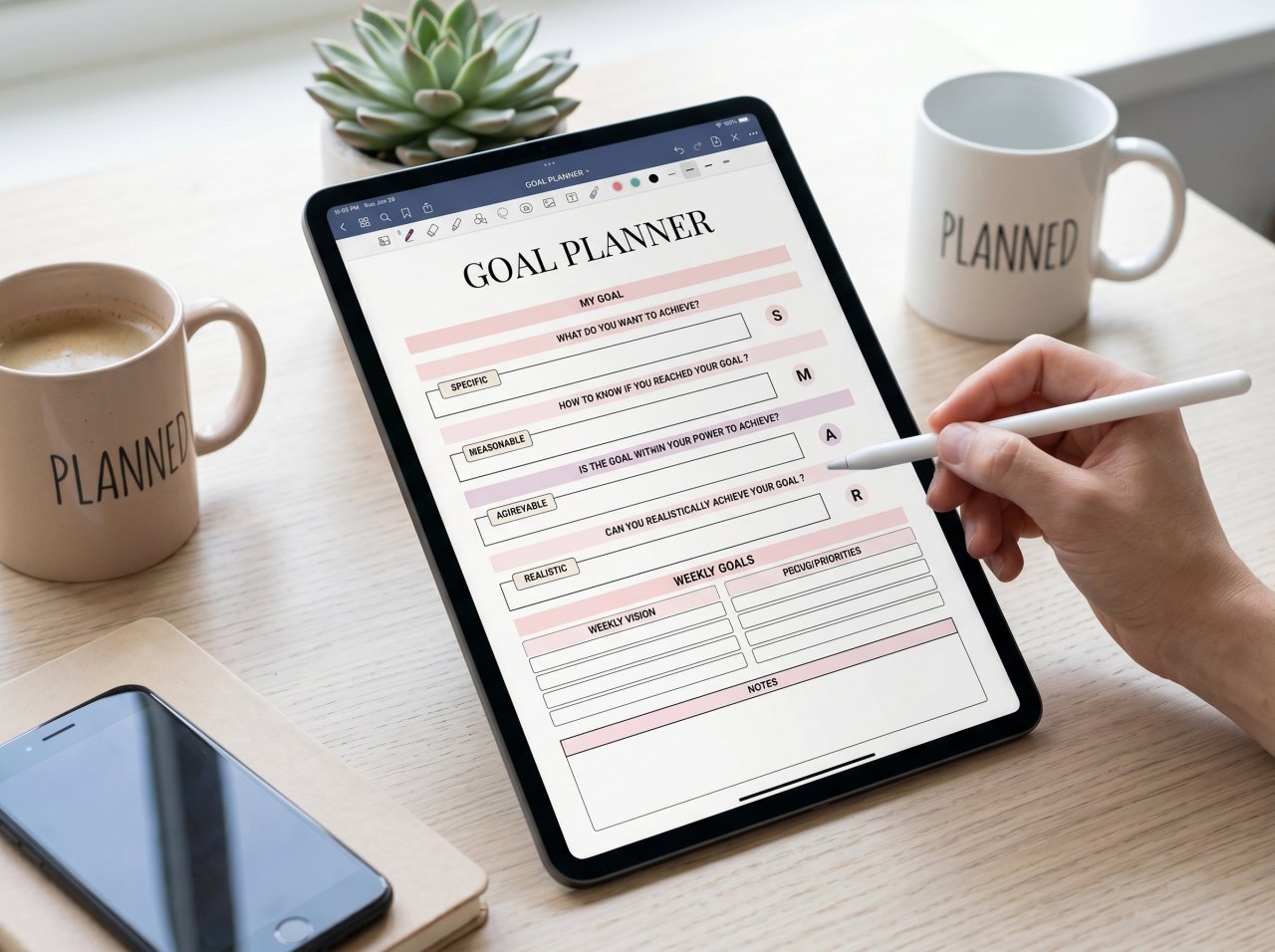
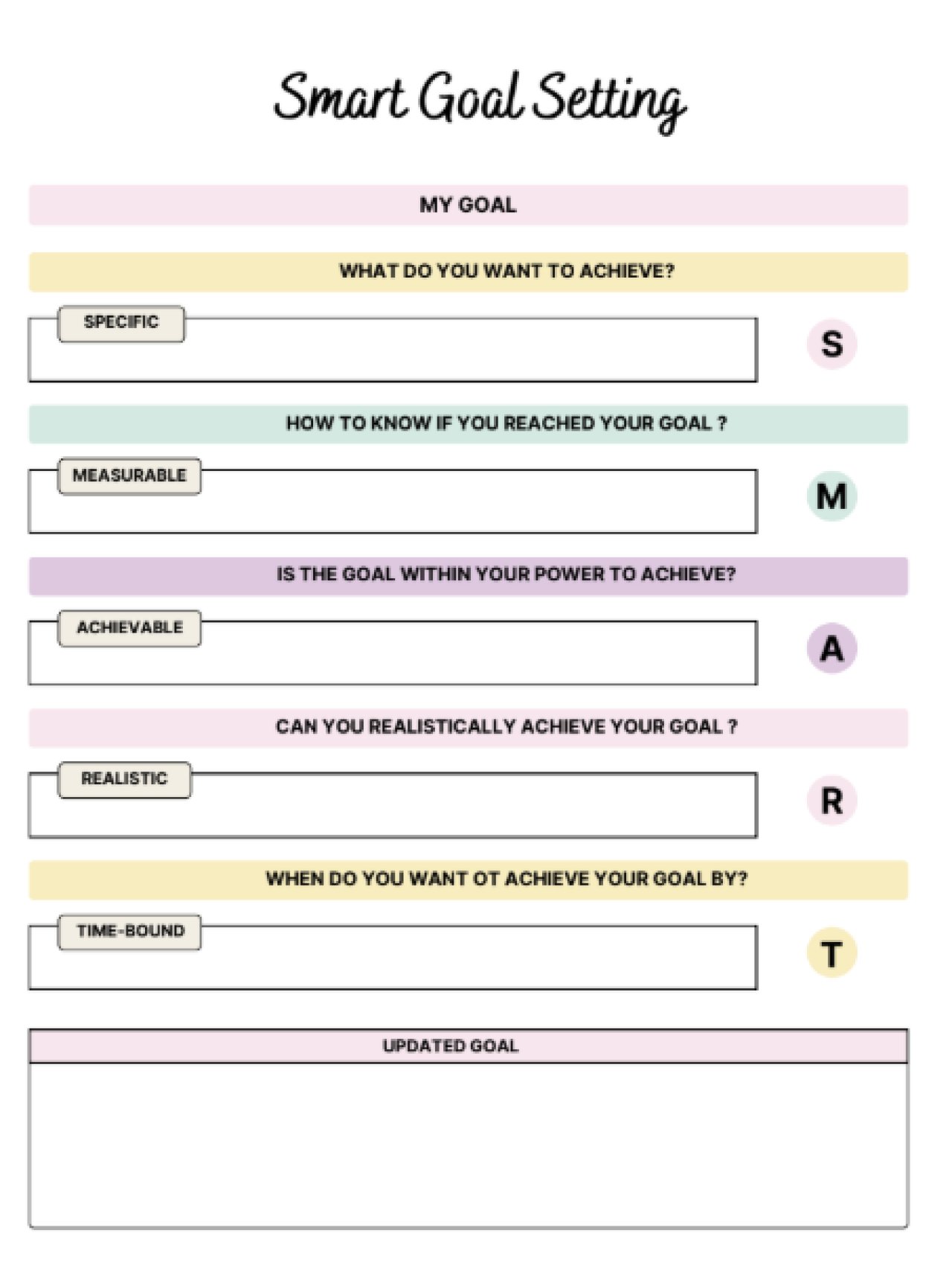
A top-tier planner must utilize Smart Goal Setting to filter out bad ideas. This methodology forces every objective to be specific, measurable, achievable, realistic, and time-bound. Instead of simply writing "increase revenue," an optimized system forces you to answer, "Can you realistically achieve your goal?" and "When do you want to achieve your goal by?".
Multi-Tiered Timelines: From Annual to Daily
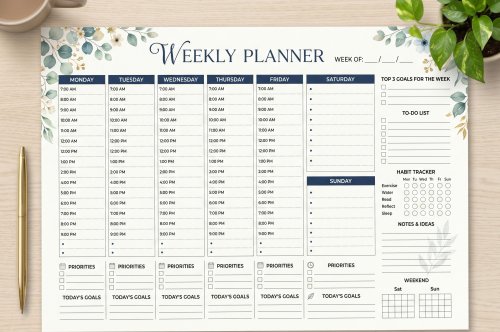
Effective planning requires both macro and micro perspectives to maintain alignment. Start with Annual Goals mapped across all twelve months, from January to December. Break these down into a quarterly view to establish medium-term milestones. Drill down further into a Weekly Vision focused on specific priorities and action plans. Finally, convert these into a daily To Do List highlighting your top goals for immediate execution.
Psychological Anchors: Vision Boards and Bucket Lists
A robust planner aligns the daily grind with overarching life themes. Integrating a Vision Board categorizes your focus across core pillars: health, wealth, career, family, lifestyle, and personal development. Complementing this with a Bucket List allows you to track the top 10 things you want to see, do, learn, experience, or visit, keeping long-term motivation high.
Why Traditional Planners Fail (And How to Fix It)
Most professionals abandon their planners by March because they treat them as static notebooks rather than active feedback loops. Without review, planners become graveyards of good intentions. Structured Goal Review mechanisms are mandatory to fix this.
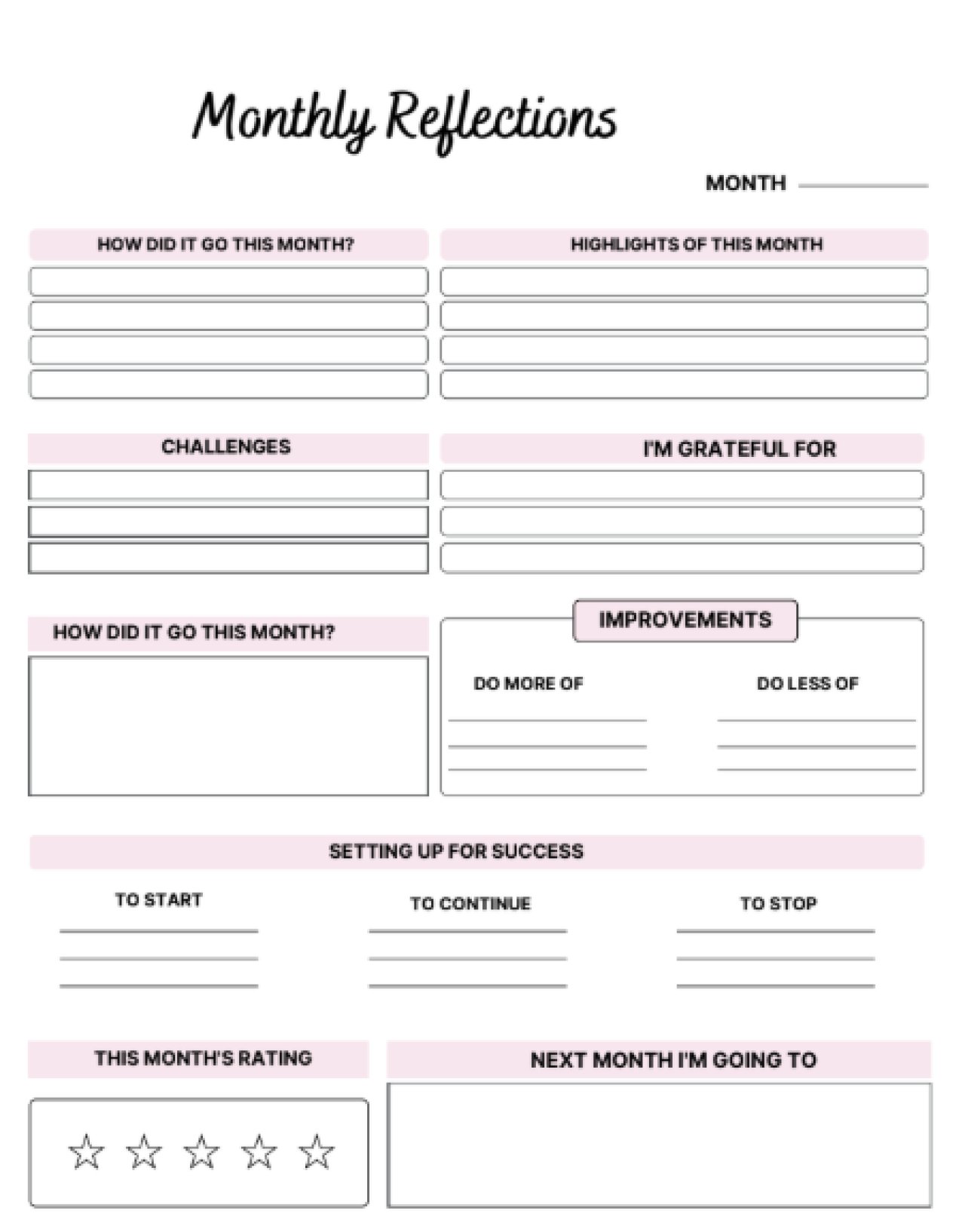
When auditing, you must objectively assess whether the goal was reached and document the exact result. Ask yourself what went well and identify specific areas for improvement. The best systems force behavioral shifts by asking you to categorize actions into what you should "do more of" and "do less of". During Monthly Reflections, users must outline challenges, highlights, and what they are grateful for, ultimately rating the month and establishing a plan going forward.
Goal Planner Frameworks Comparison
Depending on your professional demands, different tracking methodologies yield different results. Our analysis of the best planner features highlights three primary approaches:
Step-by-Step Guide to Setting Up Your Planner
Define the Grand Vision: Start with the Vision Board to clarify what you want to build across health, wealth, and career.
Filter through the SMART Protocol: Convert broad visions into targeted objectives using the Smart Goal Setting parameters, ensuring each has a strict deadline.
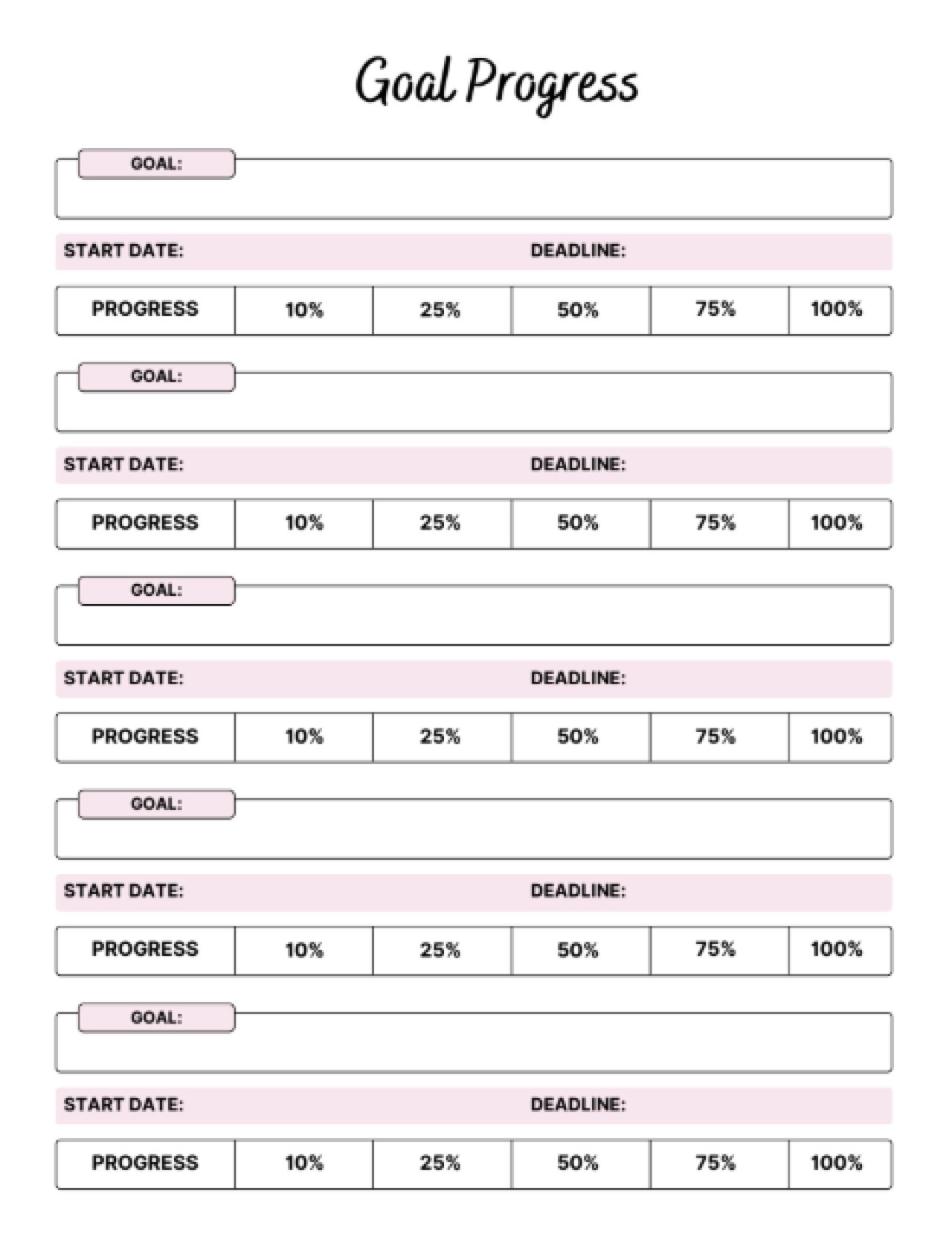
Establish Milestones: Use the Goal Progress tracker to mark your start date and map out progress intervals from 10% up to 100%.
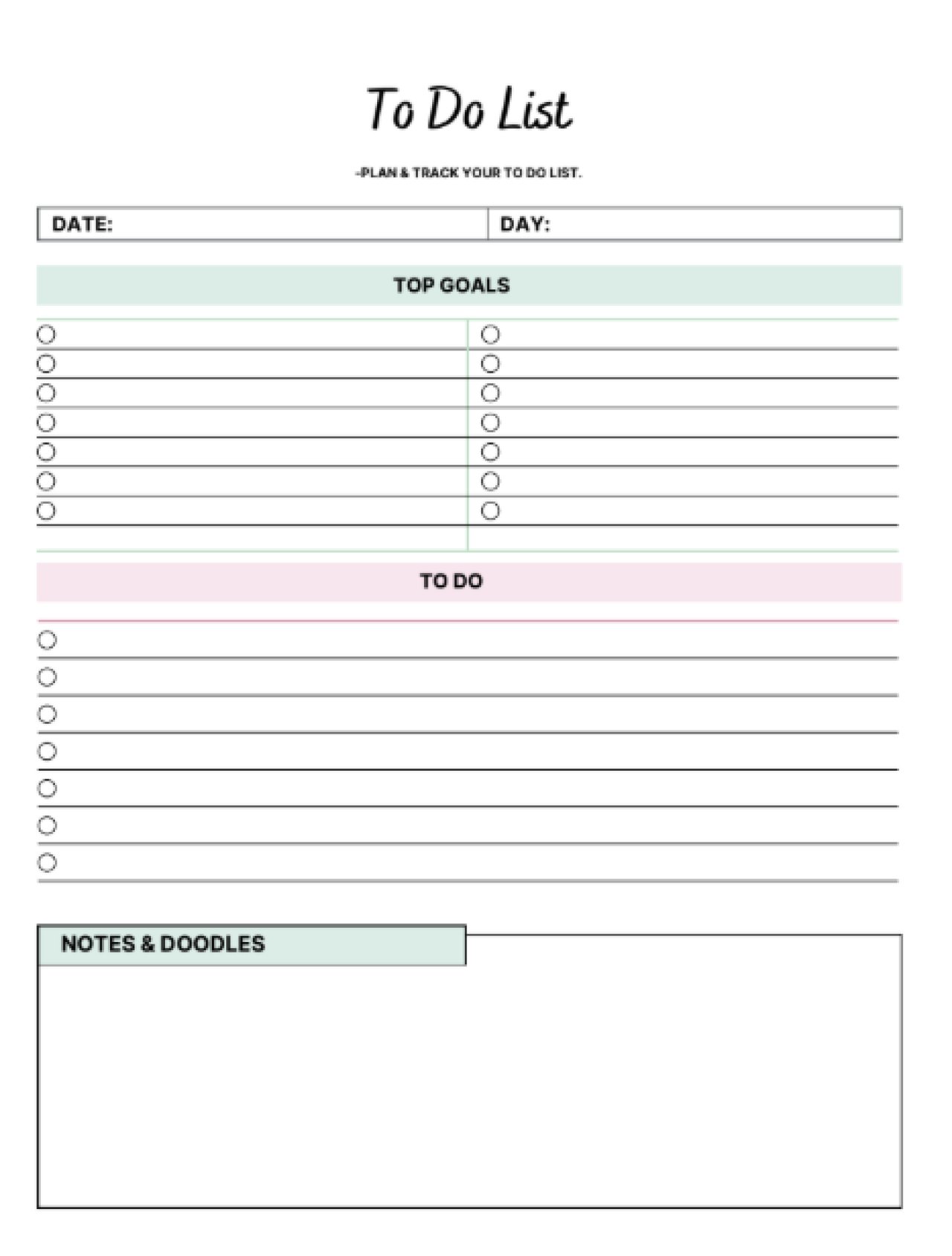
Execute Daily: Translate major milestones into actionable tasks on your To Do List, leaving room for general notes and doodles to capture ad-hoc thoughts.
Run Monthly Diagnostics: At month's end, complete your Monthly Reflections to dictate your strategy for success by deciding what habits to start, continue, or stop.
FAQs
How often should I update my goal planner?
Daily interactions are required for maintaining your To Do List and monitoring your top goals. However, comprehensive strategy audits should occur during your Weekly Vision planning and detailed Monthly Reflections.
What is the best way to track long-term goals?
Utilize a dedicated Goal Progress visualizer that breaks the journey into 10%, 25%, 50%, 75%, and 100% increments. This prevents task fatigue by providing regular micro-wins before reaching the final deadline.
Why do I need a 'Rewards' section?
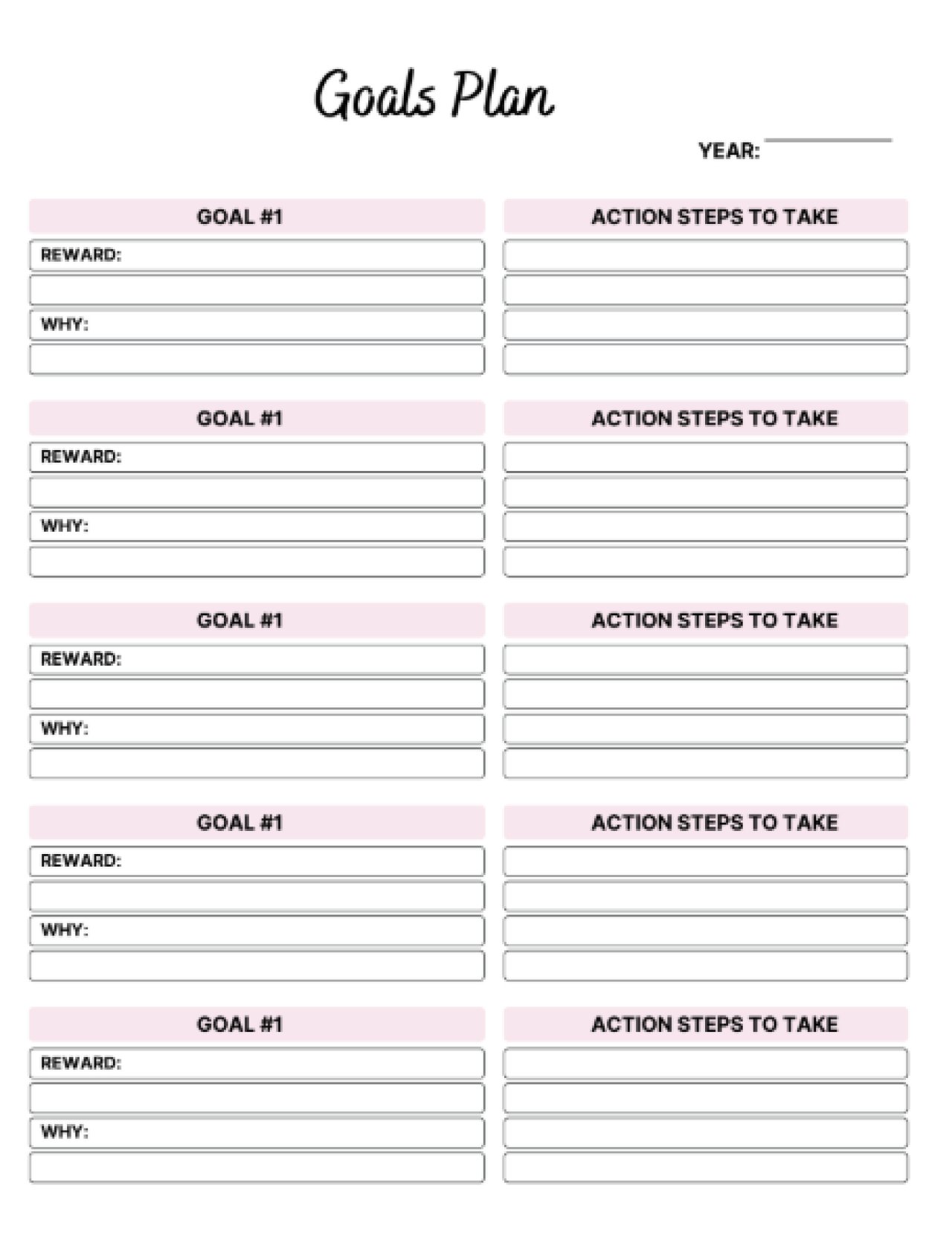
Tying a specific reward to an objective reinforces the neurological habit loop. It clearly answers the internal "why" and provides immediate gratification upon completing difficult action steps.
How do I handle goals I fail to reach?
Use the Goal Review section to objectively assess the result and pinpoint necessary improvements. Adjust your ongoing strategy by defining what tactics to "do more of" and "do less of" in your plan going forward.