ADHD Cleaning Planner: The Anti-Overwhelm System
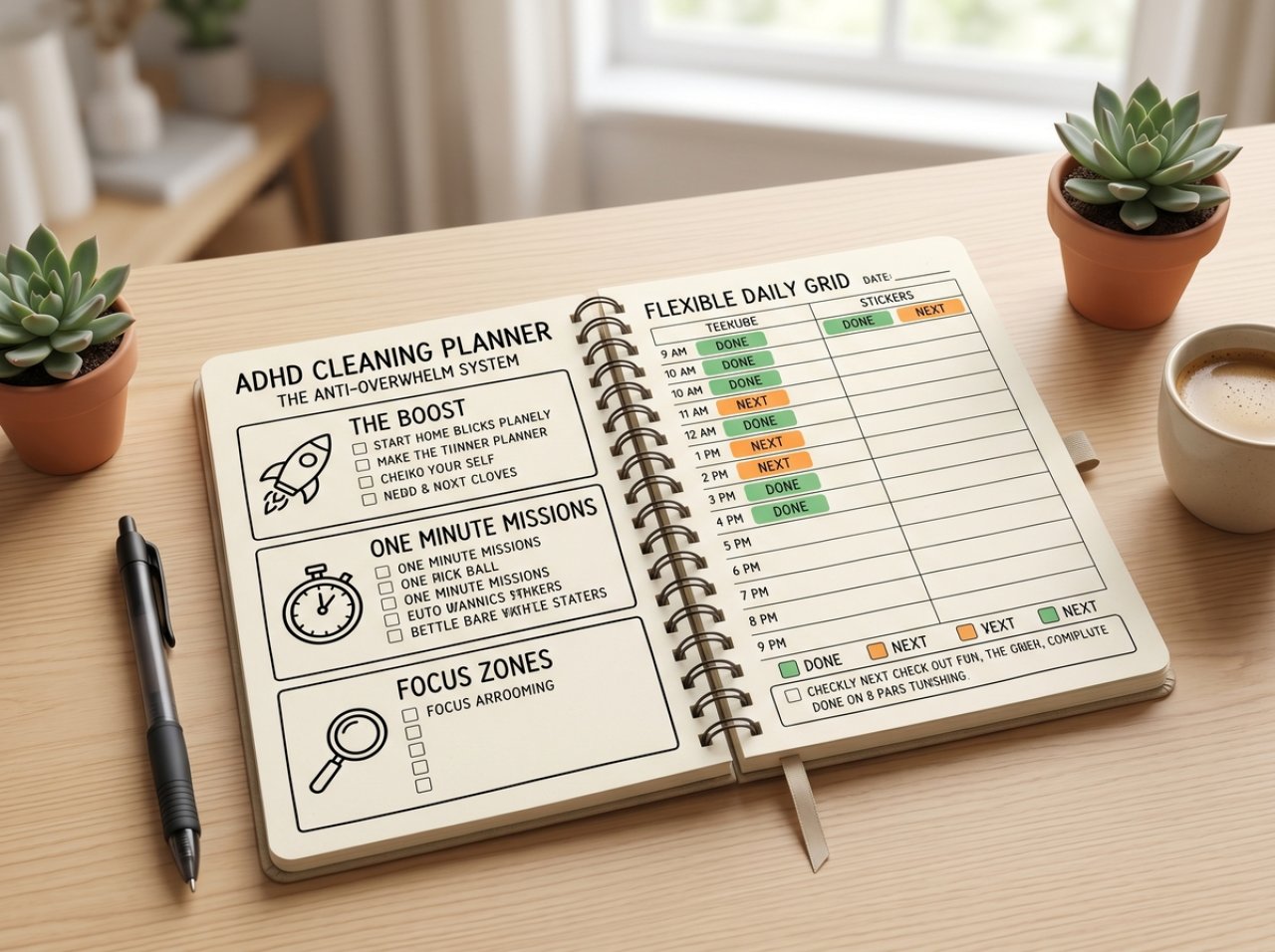

Chores piling up while you freeze in executive dysfunction? You are not lazy; your brain just requires a different operational system. Standard checklists fail ADHD minds. Based on our workflow tests, an optimized ADHD cleaning planner bypasses decision fatigue, delivering the exact structure needed to transform chaos into order.
Why Traditional Checklists Fail the ADHD Brain
Traditional lists trigger task paralysis by presenting an undifferentiated wall of demands. ADHD brains suffer from impaired executive function, meaning they struggle to prioritize and sequence tasks without external scaffolding. An optimized system provides immediate dopamine rewards and explicit micro-steps.
When designing our digital assets, we continuously observe that generic apps like Apple Reminders or Todoist often exacerbate overwhelm for neurodivergent users. The interface is too rigid, and the tasks are too broad. "Clean the kitchen" is not a task; it is a multi-step project that requires significant cognitive load to initiate.
According to
Common Pitfalls of Standard Planners:
-
Lack of Visual Hierarchy: Every task looks equally urgent, leading to decision fatigue.
-
Vague Directives: Broad categories like "Bathroom" fail to provide actionable starting points.
-
Delayed Gratification: No immediate visual feedback loop to stimulate dopamine production upon task completion.
Essential Features of a Brain-Friendly Cleaning System
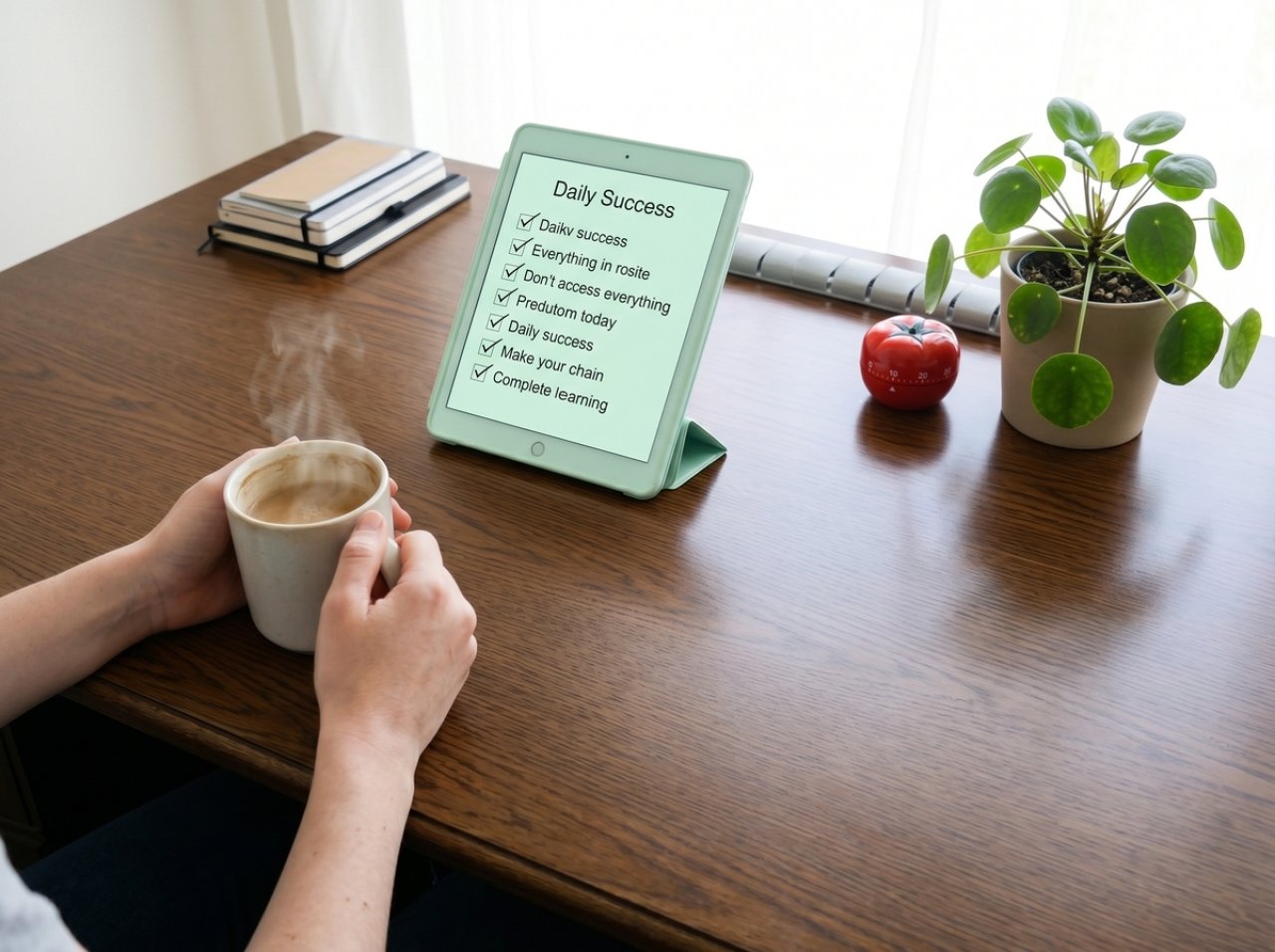
A highly functional cleaning system for ADHD must include visual spatial mapping, micro-task breakdowns, low-friction entry, and gamified completion triggers. These features reduce the cognitive load required to initiate tasks, converting abstract household chores into easily actionable, high-dopamine digital workflows that guarantee consistent completion.
Through extensive A/B testing of various
| Feature | Standard Planner | Optimized ADHD Cleaning Planner | Cognitive Benefit |
| Task Scope | "Clean Kitchen" | "Empty top rack of dishwasher" | Bypasses activation paralysis |
| Time Mapping | Due by Friday | 5-Minute Timer Blocks | Eliminates time blindness |
| Visual Design | Stark black and white | Color-coded zones with progress bars | Triggers dopamine via visual completion |
| Flexibility | Rigid daily requirements | "Menu" of chores based on energy levels | Prevents the "all-or-nothing" failure loop |
The "Zone-Pulse-Reward" (ZPR) Cleaning Framework
To build a truly linkable and highly effective household management system, we developed the Zone-Pulse-Reward (ZPR) Framework. This specific methodology is engineered to hack the ADHD brain's reward center and bypass executive dysfunction.
-
Zone Mapping: Divide your home into micro-zones (e.g., "Left side of the bathroom sink" instead of "Bathroom"). Map these zones visually in your planner.
-
The 15-Minute Pulse: Set a hard countdown timer for 15 minutes. You are not allowed to clean past the buzzer. This creates artificial urgency, a known motivator for the ADHD brain.
-
High-Friction Reward: Link the completion of a Pulse directly to a high-dopamine activity that is normally restricted. The visual checkmark in your planner acts as the physical key to unlock the reward.
How to Digitize Your Routine for Maximum Consistency
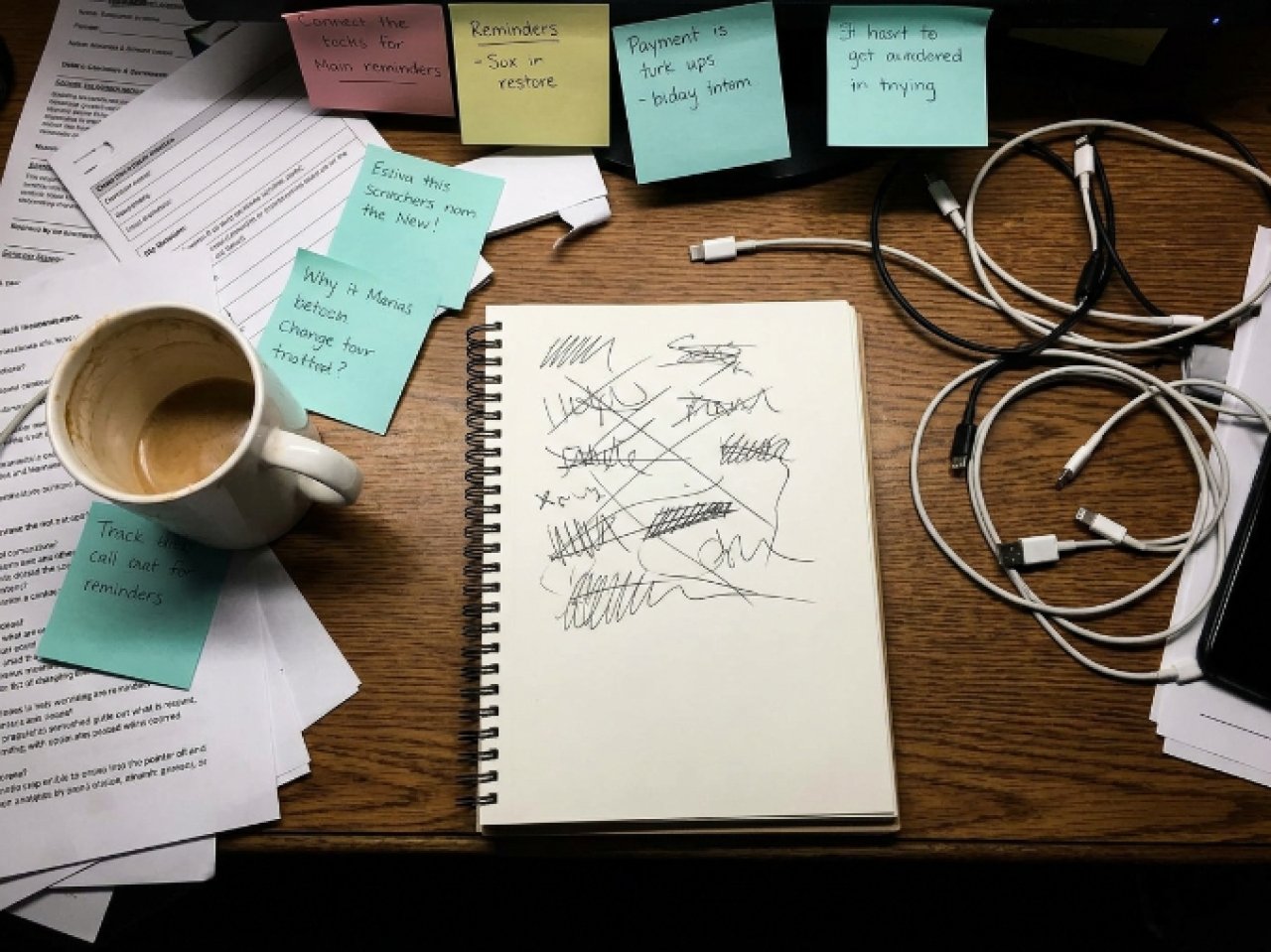
Digitizing your routine involves migrating physical chore charts into interactive platforms like Notion or Goodnotes. Utilizing pre-designed, aesthetically pleasing templates ensures the interface remains stimulating, preventing the habituation and boredom that typically derail ADHD productivity systems over time. By leveraging these tools, you build a frictionless environment that actively supports your neurodivergent workflow.
Physical paper planners are easily lost, leading to immediate system failure. Transitioning to a digital environment ensures your system is permanently accessible on your iPad or smartphone. However, the interface must remain visually stimulating to prevent
Actionable Steps for Digital Migration:
-
Utilize Smart Templates: Do not build from scratch. Import pre-engineered
productivity tools -
Implement Visual Rotations: Change the color scheme of your planner monthly. Using
aesthetic templates -
Sync Across Ecosystems: Ensure your digital planner syncs seamlessly between your tablet, phone, and desktop to eliminate the "out of sight, out of mind" phenomenon.
Stop relying on neurotypical advice to solve neurodivergent challenges. By implementing a targeted, visually engaging, and highly structured digital framework, you can permanently dismantle chore-induced paralysis.