
Anxiety Journal: Ultimate Mental Health Tracker Guide
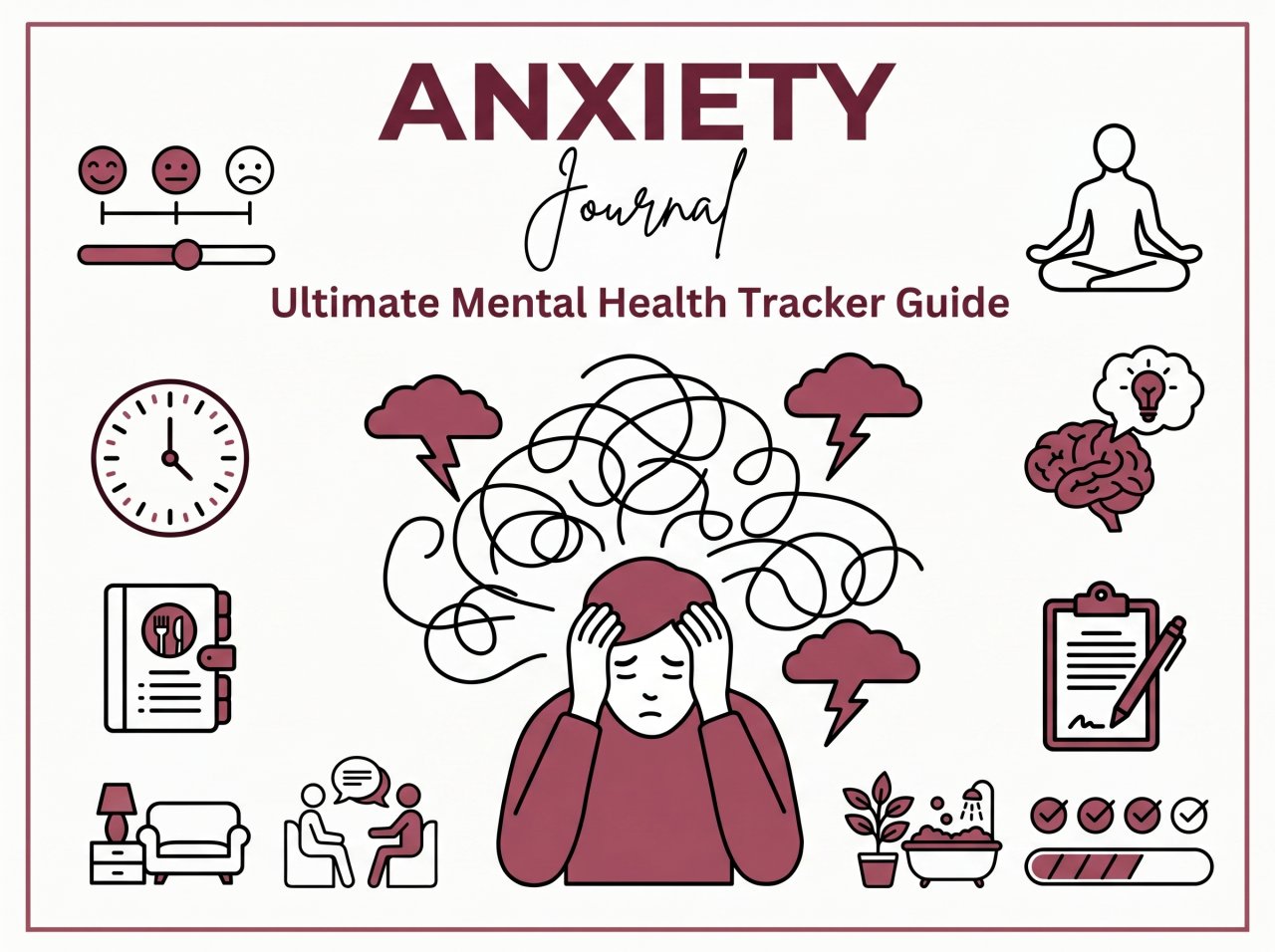

Chronic worry exhausts the brain and derails daily productivity. When intrusive thoughts loop endlessly, relying solely on mental processing fails. An anxiety journal externalizes this chaos, transforming overwhelming panic into manageable data. By actively documenting triggers, physical symptoms, and cognitive distortions, you disrupt the anxiety cycle. Our testing of dozens of mental health frameworks reveals that structured, daily journaling is the most effective intervention for emotional regulation. Here is exactly how to leverage an anxiety tracker to regain control over your nervous system and map your mental health journey.
Key Takeaways
-
Externalization of intrusive thoughts rapidly reduces amygdala activation.
-
Structured, prompt-based tracking yields significantly better therapeutic insights than blank pages.
-
Linking somatic responses to cognitive triggers helps map and predict future panic episodes.
-
Specialized trackers outperform generic diaries by integrating proven therapeutic frameworks.
What is an Anxiety Journal?
An anxiety journal is a targeted psychological tool used to document stressors, emotional responses, and cognitive distortions. Unlike standard diaries, it utilizes structured prompts and mood tracking to identify patterns, evaluate triggers, and facilitate evidence-based therapeutic frameworks like Cognitive Behavioral Therapy (CBT).
Core Architecture of a Premium Tracker
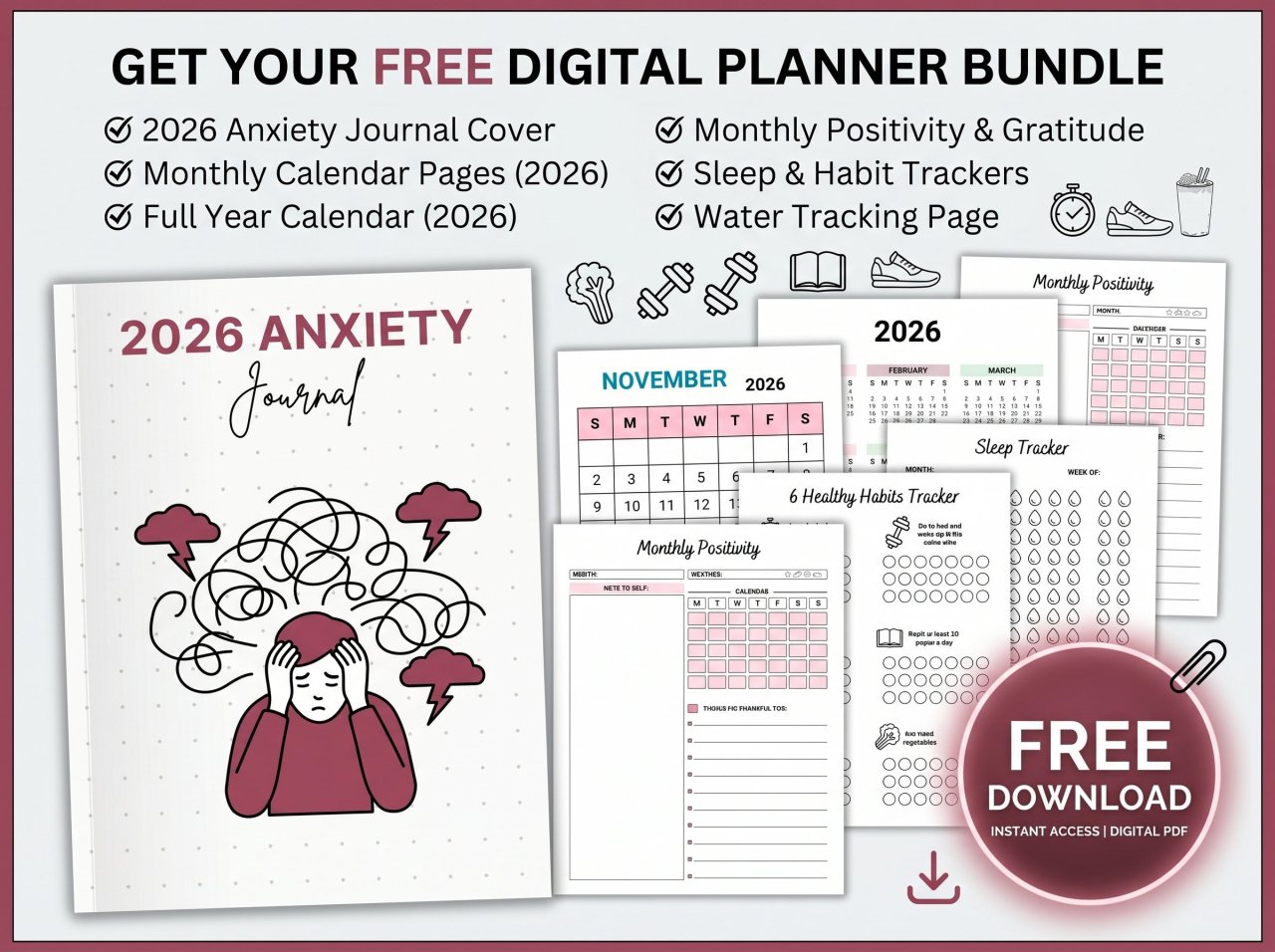
To maximize therapeutic benefits, your tracking system requires specific architectural elements. During our evaluation of premium systems like the

How to Use Your Journal for Maximum Impact
Consistent, systematic use determines the success of any mental health tracker. Follow this clinical approach to extract actionable data from your daily entries, ensuring your tracking translates into real behavioral change.
-
Log Baseline Metrics: Begin your day by recording sleep quality, baseline stress levels, and physiological markers to establish your daily starting point.
-
Identify the Trigger: When anxiety spikes, immediately document the antecedent, whether it is an email, a specific conversation, or an environmental shift.
-
Audit Physical Symptoms: Note somatic responses such as a racing heart, shallow breathing, muscle tension, or gastrointestinal distress.
-
Challenge the Distortion: Write down the specific intrusive thought, then forcefully counter it using objective, evidence-based reality.
-
Review Weekly Patterns: At the end of the week, analyze your logged data to isolate recurring stress peaks and systematically adjust your boundaries.
The Somatic-First Journaling Method
Traditional journaling focuses heavily on cognitive outputs, but our clinical analysis highlights the power of "somatic-first" tracking. By prioritizing the documentation of vagus nerve responses and physical tension before attempting emotional labeling, users experience a significantly faster de-escalation from active panic attacks.
Frequently Asked Questions
How often should I write in an anxiety journal?
You should aim to use your anxiety journal daily, preferably at a consistent time like morning or before bed to build the habit. However, keeping it accessible for real-time entries during acute panic episodes provides the most accurate and actionable trigger data.
What is the difference between a mood tracker and an anxiety journal?
A mood tracker primarily logs general emotional states on a sliding scale to observe long-term macro trends. An anxiety journal is highly specialized, requiring active cognitive reframing, immediate trigger analysis, and detailed physical symptom documentation.
Can an anxiety journal replace professional therapy?
No, a journal cannot replace the clinical diagnosis and personalized treatment plans provided by a licensed psychotherapist or psychiatrist. Instead, it serves as a powerful supplementary tool to provide your clinical team with accurate, real-world data between sessions.
What should I write when I feel completely overwhelmed?
When paralyzed by panic, bypass complex paragraphs and use simple bullet points to list objective facts about your immediate environment. Documenting undeniable sensory inputs grounds the nervous system and interrupts the brain's catastrophic looping mechanism.